Is It Better to Buy or Rent a Shipping Container?
This question comes up constantly, and the honest answer is: it depends on your timeline and how you plan to use the unit.
Renting makes sense when your need is temporary — event storage, seasonal overflow, a short-term construction project. Monthly rental rates in Canada typically range from $75–$200 depending on size and location, with delivery fees on top. Over 12+ months, however, renting almost always costs more than purchasing.
Buying makes more sense when you need the container on-site for a year or more, you plan to modify or customise it, or you want the option to resell it later. Containers hold their value reasonably well, particularly Corten steel units in good condition.
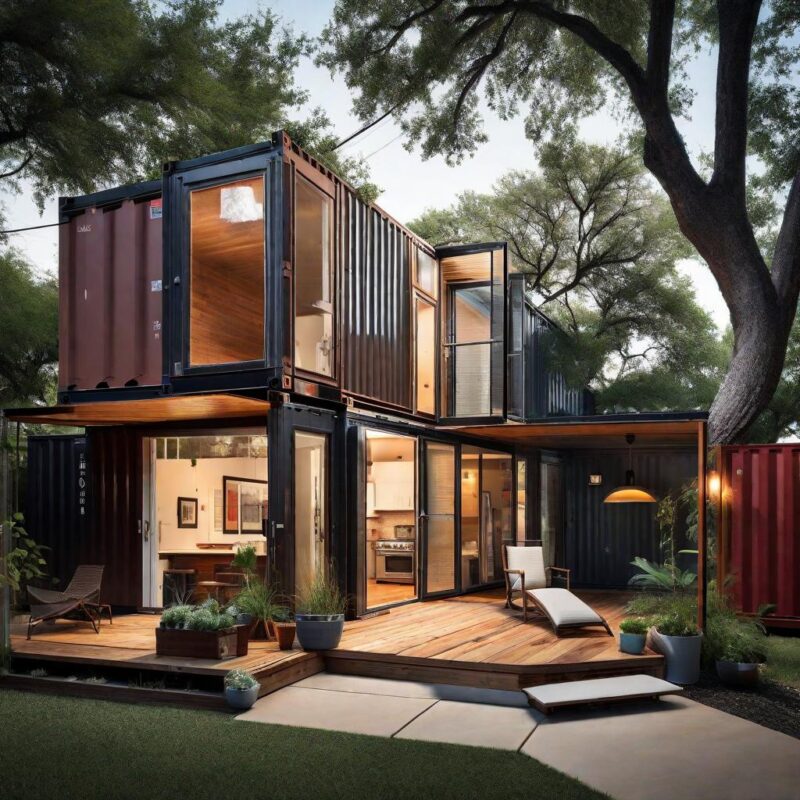
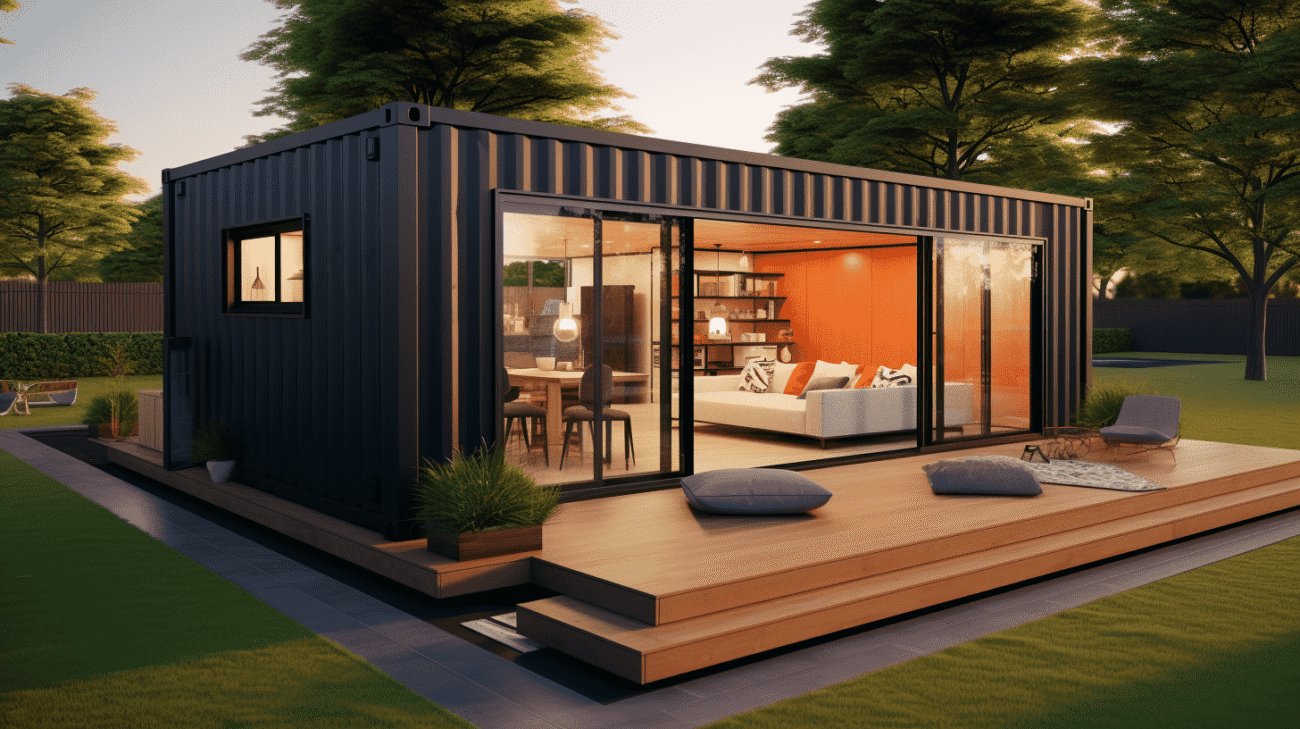
For residential homeowners and developers looking at shipping container homes Canada, purchasing is nearly always the better path — modifications like insulation, windows, and electrical work are investments you don't want to make in a rented unit. Explore Maple Containers' rental and purchase options to compare what works for your situation.
Corten Steel and Its Role in Durability
Most shipping containers sold in Canada are constructed from Corten steel — a high-strength, low-alloy weathering steel developed specifically for outdoor exposure. When exposed to the elements, Corten forms a stable rust-like patina that actually seals the surface and prevents deeper corrosion from developing.
This makes Corten uniquely well-suited to Canada's wide range of climates — from coastal humidity in Vancouver and New Brunswick to the cold, dry winters of the Prairies. A Corten container doesn't need to be painted to remain structurally sound, though surface treatment is recommended for long-term storage of sensitive goods.
For customisation projects — retail kiosks, container offices, event structures, or container homes — Corten's durability means your structure will handle Canadian winters without constant maintenance. It's one reason why shipping containers are increasingly popular in the education and healthcare sectors as modular building components.
When reviewing product listings, confirm that the container is built to ISO standards using Corten steel, not a lower-grade substitute.
Offshore vs. Domestic Container Sourcing in Canada
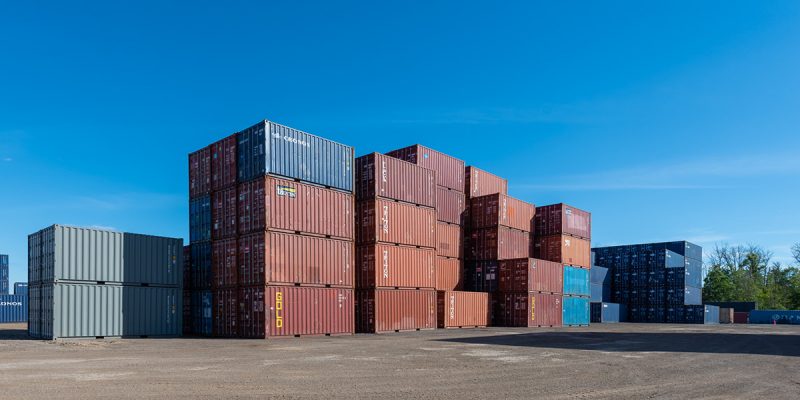
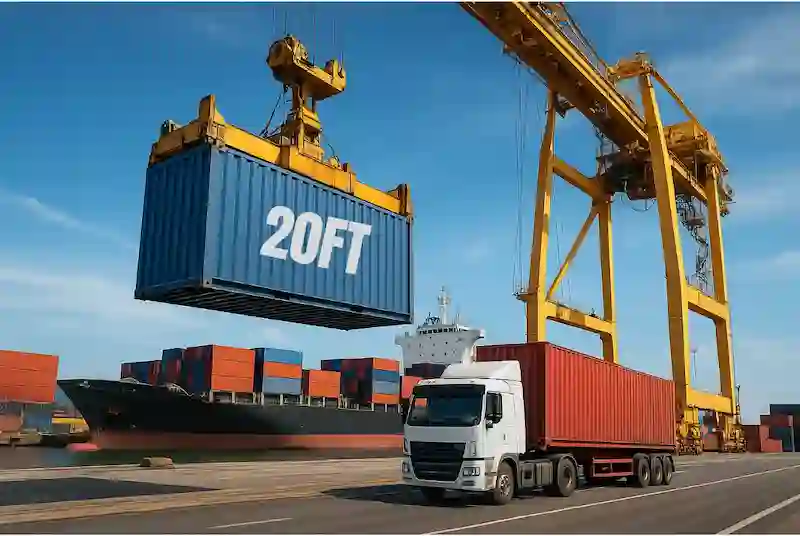
When you buy a shipping container in Canada, you're typically looking at one of two sourcing paths: units that arrived in Canada as part of international shipping cycles (offshore-sourced), or containers purchased domestically from Canadian dealers and distributors.
Offshore-sourced containers — sometimes called one-trip or "new" units — arrive from Asia loaded with goods, then are sold in Canada rather than shipped back empty. These units often have minimal wear, consistent specifications, and documentation from their manufacturing origin.
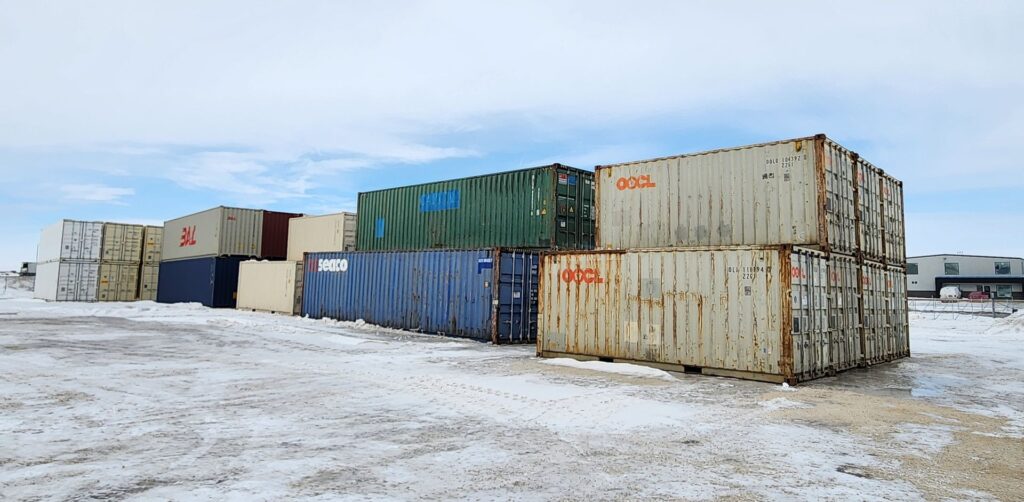
Domestically-sourced containers have typically been in circulation within Canada for several years. They're usually more affordable, but the range in condition is wider. A trusted canadian shipping agency will grade their inventory honestly and provide inspection photos.
Unlike searching for buy shipping containers online usa or buy shipping containers in australia, sourcing within Canada means you avoid customs complexity and benefit
from shorter delivery timelines. This is especially true if you're looking to buy shipping container new brunswick, shipping container ottawa, or shipping containers for sale vancouver — Maple Containers maintains regional inventory to keep delivery costs manageable.
How Snow Load Affects Container Roofing
This is a genuinely important consideration that many guides skip over. In Canada, snow load is a real engineering variable — particularly in areas like Quebec, Northern Ontario, British Columbia's interior, and the Atlantic provinces.
Standard ISO shipping containers are built to handle significant distributed weight on their corner posts — but the roof panel is not designed to bear the same loads. In regions with heavy snowfall, accumulated snow can create a distributed load on a flat container roof that exceeds its design tolerance over time, especially if the roof already has any minor denting or damage.
Practical solutions include: placing the container with roof slope modifications, installing a pitched roof structure over the container, or regularly clearing snow accumulation. If you're converting a container into permanent housing or a commercial structure in Canada, a professional engineer should assess the roof loading requirements for your specific climate zone.
Maple Containers can advise on container selection and basic reinforcement options based on your location in Canada. This is one area where local expertise genuinely matters.
Customisation Options: What's Possible
One of the biggest advantages of buying rather than renting is the ability to customise. Across Canada, containers are being transformed into everything from farm workshops to full-scale retail stores. Common customisation options include:
- Roll-up doors and man doors — for convenient access without swinging the full cargo doors
- Windows and ventilation — critical for any inhabited space and for humidity-sensitive storage
- Electrical wiring and lighting — from basic site power to full commercial fit-outs.
- Insulation — spray foam or rigid panel insulation to manage Canada's temperature extremes
- Interior cladding — plywood, steel, or dryliner panels depending on the end use
- Exterior cladding and signage — for retail and branded event structures
- Stacking and joining — multiple containers can be combined for larger footprints.
For sustainability-focused buyers, containers repurpose existing industrial infrastructure rather than requiring new material production. This aligns well with green building goals in Canada's education, healthcare, and commercial sectors. See Maple Containers' customisation services for current project capabilities.
Mobility and Portability: Moving Containers in Canada
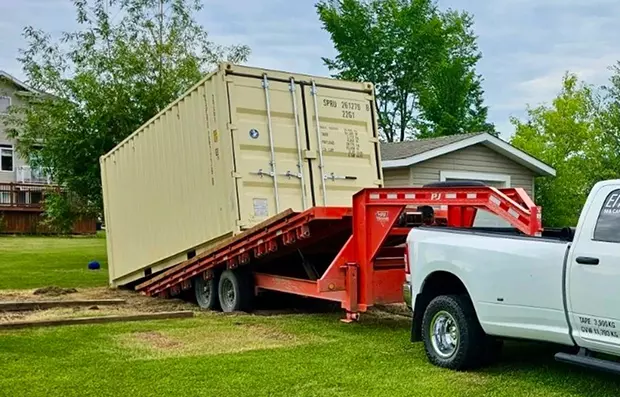
Shipping containers are designed to be moved — that's the whole point of the format. Within Canada, they're typically transported by flatbed truck with a tilt-bed or crane placement. Delivery logistics vary significantly by region:
- Urban sites (Toronto, Vancouver, Ottawa) — often require traffic management and booking delivery windows
- Rural and remote sites — may require a site survey to confirm road access for transport trucks
- Temporary placement — containers can be repositioned as needs change, though moving costs apply each time
This mobility makes containers a practical solution for event organisers, construction companies, and seasonal agricultural operations across Canada. Unlike permanent structures, a container can be relocated if your project requirements change.
Frequently Asked Questions
How much does a shipping container cost in Canada? |
Prices vary by size, condition, and region. A standard used 20 ft unit generally ranges from $2,500–$4,500, while a new 40 ft high-cube can run $7,000–$12,000+. Sea can prices in Ontario, Vancouver, Ottawa, and New Brunswick also differ based on local supply and transport costs. Browse current shipping container sizes and prices Canada options on the Maple Containers product pages. |
Can I buy a shipping container online in Canada? |
Yes. Maple Containers allows you to browse inventory, request a quote, and arrange delivery — all online. If you're also comparing options to buy shipping containers online USA or buy shipping containers in Australia, note that import duties, shipping method in Canada compliance requirements, and cross-border logistics can add complexity. Buying locally from a Canadian supplier is typically simpler and faster. |
What is the standard shipping container size in Canada? |
The most common sizes are 20 ft and 40 ft standard, plus 40 ft high-cube (9'6" tall). Some suppliers also carry 10 ft and 45 ft units. Your choice depends on your use case — storage, retail, modular housing, or industrial logistics. |
Are shipping container homes legal in Canada? |
Generally, yes — but regulations vary by province and municipality. You'll need to comply with local zoning, building codes, and foundation requirements. Working with an experienced supplier like Maple Containers can help you source containers pre-assessed for conversion use in Canadian climates. |
What's the difference between a new and a used container? |
New (one-trip) containers offer pristine condition, consistent dimensions, and minimal wear — ideal for conversion or food-grade storage. Used containers show cosmetic wear but remain structurally sound. They're more cost-effective for straightforward storage or site office use. Always inspect for surface rust, dents, and seal integrity before purchase. |
Ready to Move Forward?
Buying a shipping container in Canada doesn't need to be complicated — but it does require the right information and a supplier you can trust. Maple Containers works with construction companies, retailers, farmers, homeowners, and industrial operators right across Canada. We carry a range of container sizes and grades, offer honest condition assessments, and handle delivery logistics to most locations in Canada.
Whether you're comparing sea can prices, looking for a 20 foot shipping container for sale Ontario, or planning a full shipping container home Canada project — we're here to help you make a confident, well-informed decision. Contact Maple Containers today or browse our current inventory online.
— Maple Containers | maplecontainers.ca | Proudly serving Canada