Common Problems Found in Used Shipping Containers
Before you even visit a yard or browse product listings online, it helps to know what commonly goes wrong with used containers. Most units have spent years at sea or sitting in a port, and that kind of exposure leaves marks some cosmetic, some structural.
The most frequently reported issues include:
Surface rust. A little surface rust is normal and manageable. Deep rust that has eaten through the steel walls or floor is a different matter entirely. Press on any area that looks heavily oxidised. If it flexes or gives way, walk away.
Water ingress. Containers are designed to be weather-tight, but over time, door seals degrade and roof seams develop micro-cracks. Water getting in means mould, damaged flooring, and compromised cargo. Always inspect the interior on a dry day so you can spot water staining or damp patches clearly.
Floor damage. Most used containers have bamboo or hardwood floors. They're treated with pesticides during manufacturing — a common concern for buyers who plan to store food, run a workshop, or convert the unit into a living space. Look for soft spots, rot, and chemical smell.
Bent or warped frames. Containers are built to stack. If the corner castings or top rails are bent, the structural integrity is compromised not just aesthetically, but functionally.
Pest infestation. Rodents and insects find used containers surprisingly comfortable. Look for droppings, gnaw marks, and small entry holes around the base and door frames.
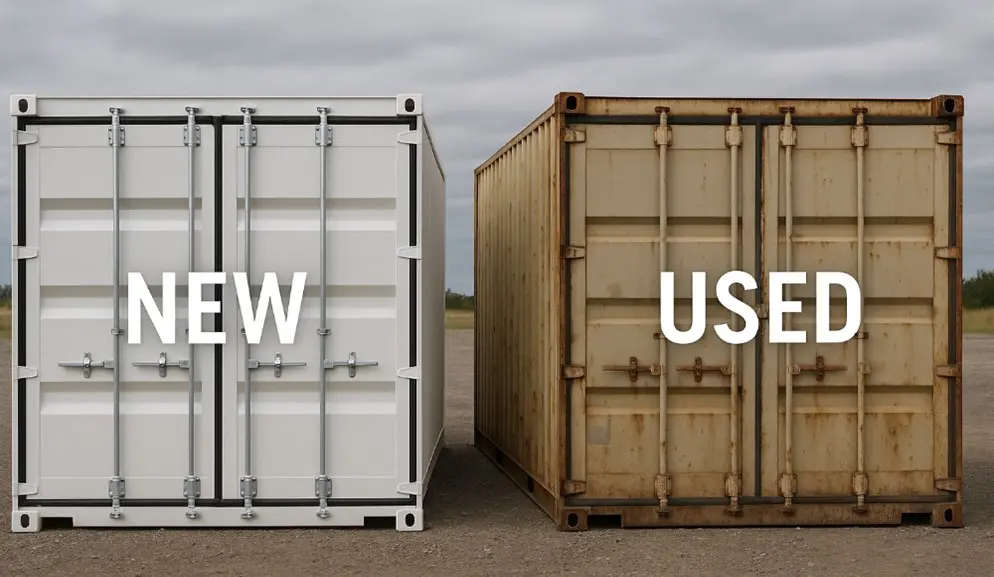
Understand the Difference Between New and Used Containers
This matters more than most buyers realise. When you're comparing options across product listings whether you're looking at used shipping containers for sale in the USA, used shipping containers for sale in Australia, or sourcing domestically here in Canada the condition grading system affects both price and performance.
Here's a quick breakdown:
One-trip containers are essentially new. They've made a single journey from a manufacturer (usually in Asia) to Canada and are sold as "used" simply because they've been shipped once. These are the closest thing to new without paying new prices. They're ideal for conversions, retail pop-ups, or any use where appearance matters.
Grade A / IICL containers are in excellent condition. They've seen more use but have been maintained well. Minor surface rust and small dents are acceptable. No structural damage.
Grade B / Cargo-worthy containers are functional and wind-and-water tight, but show more wear. Good for straightforward storage. Not ideal for conversion projects.
As-Is containers are sold exactly as they are. No guarantees. These can be great value if you know what you're getting into or a money pit if you don't.
For buyers in Canada, understanding these grades helps you ask the right questions when you browse Maple Containers' full container inventory.
Red Flags to Avoid When Buying Used Containers
Knowing what to check before buying a used container in Canada means knowing what should stop you in your tracks. These are the red flags experienced buyers watch for:
No inspection allowed. Any seller who won't let you physically inspect a container before purchase is not worth your time. Whether you're trying to buy shipping containers online or visiting a yard in person, you should always have the right to inspect what you're buying. Period.
Vague provenance. Where has the container been? What was it used to carry? Containers that have transported chemicals, hazardous materials, or certain agricultural products can be unsafe even after cleaning. Ask for shipping records or at minimum a frank conversation about usage history.
Prices that seem too good. If you've been shopping around comparing rates for used shipping containers for sale in the USA, or checking what containers go for in other provinces and a deal seems dramatically cheaper than everything else, there's usually a reason. That reason is often significant damage or an unresolved legal issue with ownership.
Missing or damaged CSC plates. The CSC (Convention for Safe Containers) plate certifies a container is structurally sound for transport. If it's missing, scratched off, or expired, the container may not meet safety standards in Canada.
Unusually heavy door operation. Container doors should open and close smoothly. If they're stiff, bent, or won't seal properly, you could be looking at frame damage or warped hinges both expensive to fix.
Container Inspection Checklist for First-Time Buyers
If this is your first purchase, print this checklist and bring it with you. Knowing what to check before buying a used container in Canada is easier when you have a plan.
Exterior checklist:
- Walk all four sides and look at the entire surface in good light
- Check corner castings — they should be intact, not cracked or bent
- Inspect the roof for dents, cracks, or pooling areas where water could collect
- Look at the base rails for rust penetration and structural integrity
- Check door hinges, locking rods, and rubber door seals
- Confirm the CSC plate is present and current
Interior checklist:
- Step inside and close the doors — look for any light coming through gaps or holes
- Check the floor for soft spots, rot, staining, or chemical residue
- Smell the air — musty, chemical, or mouldy odours are warning signs
- Look up at the ceiling for rust streaks or staining that indicates a leak
- Check the walls for corrosion from the inside
Documentation checklist:
- Ask for the container ID number and verify it matches
- Request usage history if available
- Confirm delivery logistics and whether the seller handles transport in Canada.
Interior Inspection Tips Before Buying a Container
The interior of a container tells you more than the outside. Surface rust on the exterior can be cosmetic — what's happening inside is often the real story.
Bring a flashlight. Even on a bright day, the corners and ceiling of a container are shadowy. A good torch helps you spot rust streaks, water marks, and small perforations that you'd otherwise miss.
Bring a screwdriver or penknife. Press the tip gently into the wooden floor planks in several places. Solid wood resists pressure. Rotted or waterlogged wood gives way. Do this in corners and near the doors, which are common spots for moisture to accumulate.
Check for daylight. Close the doors completely and let your eyes adjust. Any pinpoints of light coming through the walls, roof, or door seals indicate holes or gaps. A wind-and-water tight container should be completely dark inside with the doors closed.
Assess the smell seriously. Containers used to transport agricultural chemicals, fumigated cargo, or certain industrial products can retain harmful residues even years later. If the smell inside is strong or unfamiliar, ask about cargo history before proceeding.
Look at the door seal rubber. It should be soft, continuous, and compressed evenly when the doors close. Cracked, hardened, or missing sections mean the container is no longer truly weather-tight without repair.
These steps take less than 20 minutes and can save you from a container that looks fine but performs poorly. At Maple Containers, all units are transparently graded so you know exactly what you're getting.
What Canadian Buyers Should Know About Used Containers
Canada is one of the largest purchasers of used shipping containers in North America. The demand for containers in Canada stretches from British Columbia's agricultural sector all the way to construction sites in Ontario and Québec. Here's what's specific to buying in Canada:
Delivery logistics matter more here. Canada is a big country. Delivery costs in Canada can vary enormously depending on your location. A container delivered in the Greater Toronto Area is a very different cost proposition than one delivered to rural Saskatchewan. Always get a delivery quote before you finalise pricing, and make sure you know exactly who's responsible for final placement on your property.
Weather conditions in Canada affect container choice. If you're in a region that sees heavy snowfall, a container with a structurally sound roof isn't optional — it's critical. The weight of snow accumulation on a compromised container roof can cause collapse. This matters especially in northern Canada and high-elevation areas.
Zoning and permits in Canada vary by municipality. Placing a container on your property in Canada may require a permit depending on its intended use and how long it will sit there. Check with your local municipality before you buy. This applies whether you're in a residential area, agricultural zone, or industrial property.
Currency and import considerations. If you're tempted to buy shipping containers in the USA or even look at used shipping containers for sale in Australia, keep in mind that import duties, border fees, and logistics costs can quickly close the price gap. Buying domestically in Canada is often faster and simpler.
Maple Containers serves customers across Canada with transparent pricing and real inventory you can inspect. Explore our container options and get a quote tailored to your location in Canada.
Expert Advice for Buying Used Containers in Canada
After years of helping buyers across Canada find the right container for the right job, here's the straightforward advice that matters most:
Buy from a dealer who'll talk to you. Whether you're looking to buy shipping containers online or in person, you should be able to have a real conversation with someone who knows the inventory. Vague product listings with no photos, no measurements, and no condition descriptions are a sign to look elsewhere.
Know your end use before you buy. A container for basic site storage doesn't need to be in the same condition as one you're converting into a retail space or a residential structure. Match the grade to the job. Overspending on a one-trip container for a construction site is unnecessary. Underspending on a Grade B unit for a home conversion is risky.
Customisation is possible — but starts with a good base. Containers across Canada are increasingly being converted into offices, cafés, retail pop-ups, and housing. If customisation is your plan, start with a unit in solid structural condition. Adding windows, doors, insulation, electrical, and cladding to a structurally compromised box is a waste of money.
Think about resale value. Containers hold their value reasonably well in Canada, especially well-maintained units. If you buy well now, you'll sell well later if your needs change.
Sustainability counts. Repurposing a used shipping container in Canada is genuinely one of the more environmentally considered choices in construction and storage. You're giving a manufactured steel structure a second life rather than adding to landfill and in Canada, where sustainability in construction is a growing priority, that matters to buyers, regulators, and neighbours alike.
Key Features to Highlight When Evaluating a Used Container
When you're reviewing product listings for used containers in Canada, here's what actually matters — beyond just price:
Durability and Security. Corten steel construction is the standard. Look for containers where the steel has developed its natural patina without compromising structural integrity. Lockboxes, upgraded locking rods, and heavy-duty door hinges significantly improve security for long-term storage.
Mobility and Portability. Standard 20-foot containers in Canada can be moved with a tilt-deck or flatbed truck. 40-foot units require more planning. If your use requires frequent relocation — for events, seasonal storage, or construction — consider whether the container dimensions work for your transport options in Canada.
Customisation Options. If you plan to modify your container, check that the walls and floor can support modifications. One-trip and Grade A containers are far easier to work with when cutting openings for windows or doors.
Visual Storytelling. For commercial uses retail, marketing activations, pop-up food and beverage the container's exterior appearance matters as much as its structure. Consider whether the unit can be painted, branded, or clad, and in what condition the exterior starts.
FAQs: Buying a Used Container in Canada
How much does a used container cost in Canada? Prices vary depending on size, grade, and location within Canada. A used 20-foot container typically ranges from $2,000–$4,500 CAD. A 40-foot unit runs $3,000–$6,000 or more. Delivery in Canada adds to the final cost.
Is it better to buy a used container locally in Canada or import from the USA? Buying locally in Canada is almost always simpler and often more cost-effective once you factor in border logistics. Used shipping containers for sale in the USA may look cheaper on a listing, but import fees, transport across the border, and currency conversion often eliminate the savings.
Can I buy a shipping container online in Canada? Yes. Many reputable dealers in Canada, including Maple Containers, offer the ability to buy shipping containers online with full descriptions, photos, and condition grading. Always confirm you can inspect the unit or receive a video walkthrough before finalising your purchase.
What size should I buy? 20-foot containers suit most individual storage and small business needs. 40-foot units work better for larger operations, construction staging, or conversion projects. Both sizes are widely available across Canada.
Do I need a permit to place a container on my property in Canada? It depends on your municipality in Canada. For temporary placement, many jurisdictions don't require a permit. For permanent installation or structural modification, a permit is typically required. Always check local bylaws before committing.
Ready to find the right used container for your needs? Browse Maple Containers' inventory or get in touch with our team for expert guidance tailored to buyers across Canada.






One thought on “What to Check Before Buying a Used Container in Canada”