Blog
How to Prepare Your Property for Container Delivery

How to Prepare Your Property for Container Delivery: What You Need to Know First
If you've been looking into on site storage solutions, container homes, or even rent to own shipping container options across Canada, there's one step most people overlook until the last minute getting their property ready before delivery day. Knowing how to prepare your property for container delivery can save you a lot of stress, extra charges, and potentially unsafe situations. Whether you're a contractor in Ontario, a farmer in Alberta, or a homeowner in British Columbia exploring container home made easy options, this guide walks you through everything you need to set up confidently before that flatbed rolls in.
At Maple Containers, we've delivered hundreds of containers across Canada. What separates a smooth delivery from a complicated one almost always comes down to site prep. Let's get into it.
Why Property Preparation Matters Before Container Delivery
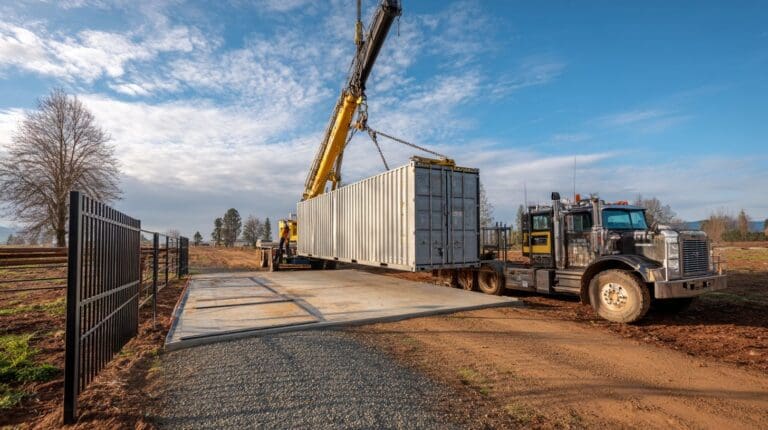
Getting a shipping container placed correctly is not just about parking it somewhere on your land. The delivery truck — typically a tilt-bed or flatbed — needs room to manoeuvre, clear overhead space, and a surface that won't shift under the container's weight. Skipping this step can mean delivery delays, repositioning fees, or in worst cases, damage to your property.
Across Canada, the terrain varies enormously. A rural delivery in Saskatchewan looks nothing like placing a container behind a commercial property in Mississauga. Each site has its own quirks. That's why preparing your property isn't a one-size-fits-all checklist — it's a process of understanding your specific conditions and addressing them ahead of time.
Whether you're looking at shipping container finance options, exploring rto containers (rent-to-own), or you've already purchased an on site storage container outright, the delivery process is the same. Your site needs to be ready. Let's go through each factor carefully.
Confirm Utility Lines and Overhead Clearance
The Clearance Requirement Is Not Negotiable
One of the most common reasons deliveries get delayed in Canada is overhead obstruction. Power lines, tree branches, low-hanging cables, and barn eaves are all potential hazards. A standard intermodal container is about 2.6 metres wide and up to 2.9 metres tall (for high-cube units). The delivery truck adds significant height on top of that during transport — typically bringing the total clearance requirement to around 5 metres or more.
Before your delivery date, walk the full route from your property entrance to the drop location. Look up. Look for:
- Hydro lines — always call your local utility provider in Canada to confirm safe clearances
- Tree branches — trim any that hang lower than 5 metres over the access route
- Barn structures, gate arches, or porches — measure them before assuming they're fine
If you're unsure, contact Maple Containers before delivery and we'll advise based on the truck type being used for your order.
Safety Considerations During Container Placement
Container placement sounds simple. In practice, it involves heavy equipment, sloped terrain considerations, and coordination between the driver and your team on the ground. Here's what to keep in mind:
- Stay clear of the container's path during offloading never stand under a tilting container
- Keep pets and children at a safe distance during the entire delivery process
- Designate one person to communicate with the driver to avoid mixed signals
- Have the final placement spot marked clearly use spray paint, flags, or cones
Can a Shipping Container Be Delivered on a Slope?
This is one of the most common questions we get from customers across Canada, especially those in hilly or rural areas. The short answer is yes — but with conditions.
A container can be placed on moderately sloped ground, but the delivery truck needs relatively level ground to safely slide or tilt the container off. If the access path itself is on a significant slope, the driver may not be able to position the truck correctly. In those cases, additional ground preparation (such as gravel levelling or temporary timber supports) is usually needed before delivery.
For container homes or long-term on site storage situations, placing on a slope without proper foundation support can lead to warping of the doors over time. A properly levelled gravel pad or concrete pier system is almost always the better investment. If you're planning to eventually build out a container home made easy setup, speak with our team about foundation options before delivery day.
Container Delivery Preparation for Farms and Rural Sites
Farms and rural properties across Canada present unique challenges. Long laneways, soft ground after rain, limited turning radius, and remote locations can all affect delivery logistics.
Here's what rural customers across Canada need to check in advance:
- Laneway width: Delivery trucks need at least 3.5 metres of clear lane width, ideally more
- Ground condition: If your lane has soft shoulders or gets muddy, schedule your delivery during dry conditions or lay down a temporary gravel path
- Turnaround space: Tilt-bed trucks need a clear area to reverse and position. If there's no natural turnaround, mark one out in advance
- Gate access: Measure your gate width precisely. A standard 20-foot container is 2.44 metres wide — your gate needs to be wider than that with room to spare for the truck
Farmers exploring on site storage containers for equipment, crop supplies, or seasonal products will find that a bit of site prep makes the whole delivery day much smoother. Visit our products page to explore container sizes and find what works for your farm or property.
Key Factors That Affect Shipping Container Delivery
Understanding what drives delivery complexity helps you prepare better. Here are the main variables:
1. Container Size Standard 20-foot and 40-foot containers are the most common across Canada. If you're looking at 50 foot shipping containers for sale or custom lengths, the truck and access requirements change accordingly — longer containers need more turning space and a wider approach.
2. Ground Surface Concrete and compacted gravel are ideal. Soft soil, sand, or grass can sink under the container's weight over time. If you're placing for more than a few months, invest in a proper base. It protects both the container and your property.
3. Access Route Distance The longer the truck has to travel from the road to your drop spot, the more complex the positioning. For tight sites, a crane lift may be required — something our team can arrange across most parts of Canada.
4. Surrounding Structures Fences, other containers, parked equipment, and buildings all affect how the driver manoeuvres. Clear the area around your drop spot at least 3 metres on each side if possible.
5. Permit Requirements In some municipalities across Canada, placing a container permanently on residential property requires a permit. Check with your local planning department well in advance — especially if you're building container homes rent to own setups or converting a container for commercial use.
Final Site Checks Before Your Container Is Delivered
You've done the big work. Now run through these final checks 24–48 hours before delivery:
- Access route is clear of vehicles, equipment, and debris
- Overhead clearance confirmed along the full delivery path
- Drop spot is marked clearly and visible from the access route
- Ground is level (or levelled) at the placement location
- You've confirmed the delivery window with Maple Containers
- Someone is on-site during delivery to communicate with the driver
- Local utility lines have been identified and cleared with the provider
- Any necessary permits are in hand
If you're using shipping container finance or an RTO containers plan through Maple Containers, getting delivery right the first time matters — it avoids repositioning costs and keeps your project timeline on track.
For more guidance, explore our blog for practical advice on container setup, customisation, and use cases across Canada.
Customisation Options: Making the Container Work for Your Site
Preparing your property isn't just about logistics — it's also about thinking ahead to how you'll use the container once it's in place. Maple Containers offers a wide range of customisation options so your container fits the site and the purpose, not just fits on it.
Whether you need:
- Side access doors for easier loading from tight spots
- Ventilation and insulation for climate-sensitive storage in Canada's colder regions
- Electrical installations for on-site workspaces
- Custom paint or cladding for visual integration with your property
...all of these are easier to plan before delivery, not after. If your container is going somewhere permanent or semi-permanent, think through the end use now and let our team build it to spec before the truck shows up.
Explore our customisation options to see what's possible. Custom containers for retailers, construction sites, healthcare units, and container homes are among the most popular requests we see across Canada.
Durability, Security, and Visual Storytelling
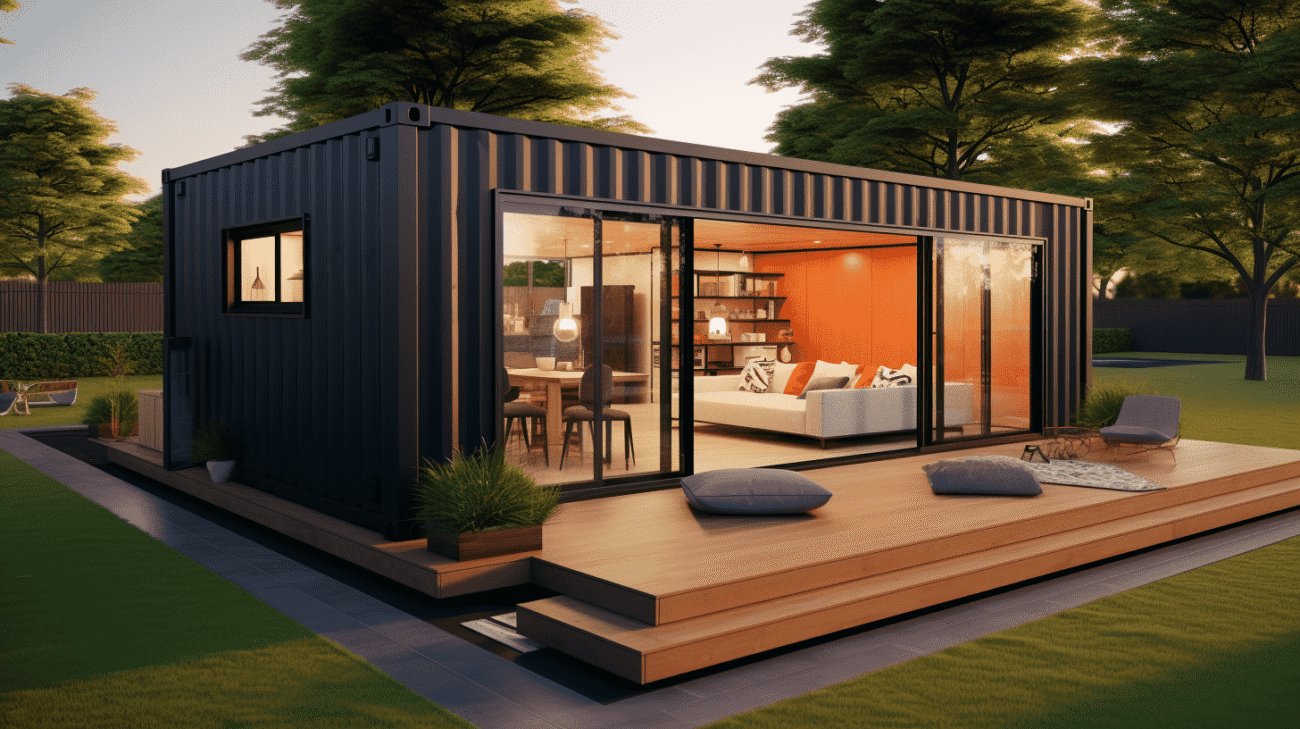
A well-placed, well-prepared container doesn't just function well — it looks intentional. Whether you're using it as an on-site storage solution at a job site, a pop-up retail unit, or a foundation for container homes rent to own across Canada, visual presentation matters.
Shipping containers are inherently durable — built to handle ocean crossings and stacking. But on your property, the way they're placed and maintained reflects your operation. A cleanly sited container on a level gravel pad with properly functioning doors is a straightforward signal that your setup is professional and well-managed.
For event organizers and marketing agencies using containers as temporary branded installations, this is even more important. Site prep directly affects how the container looks on the day — a tilted or muddied container doesn't make a great backdrop.
Security is also worth thinking through during site prep. Where you place the container determines how exposed it is. Avoid placing it where it's hidden from your sightlines but visible to the road. Consider adding a lockbox or padlock bar if valuables are being stored inside.
Sustainability Considerations for Container Placement in Canada
Repurposing and reusing shipping containers is one of the more sustainable choices in construction and storage — especially across Canada, where new building materials face high transport costs and environmental costs. But sustainable container use also means thinking about where and how you place them.
- Avoid placing containers over drainage paths, wetlands, or environmentally sensitive areas
- Use recycled gravel or crushed concrete for the base where possible
- Consider the container's orientation relative to sun exposure — especially for container homes where passive solar heating can reduce energy costs in Canada's cold climate
- Plan for proper runoff management if the container is placed near agricultural land
If sustainability is part of your project values, it can be part of your site prep too. It's one more reason why knowing how to prepare your property for container delivery goes beyond just logistics — it's about doing it right.
FAQs: How to Prepare Your Property for Container Delivery
Q: How much space does a delivery truck need to drop a container? A: Most tilt-bed trucks need at least 18–20 metres of clear straight space behind the container's intended placement spot. The wider and more open the site, the easier the delivery.
Q: Do I need a permit to place a container on my property in Canada? A: It depends on your municipality and intended use. Temporary placement for construction or storage is often permit-free, but permanent placement — especially for container homes — usually requires local approval. Always check with your local planning authority.
Q: What is the best base for a shipping container? A: Compacted gravel or concrete piers are the most common and reliable options across Canada. They provide drainage and keep the container level over time.
Q: Can I get a container delivered if I have a narrow driveway? A: It depends on how narrow. Lanes under 3 metres wide may not accommodate a standard delivery truck. Contact Maple Containers to discuss alternative delivery methods, including crane placement.
Q: What's the difference between rent to own and standard rental? A: With shipping container rent to buy or rent to own shipping container near me arrangements, your monthly payments go toward ownership. It's a great option if you're not ready to pay outright but want the container long-term. Explore our rent-to-own options for details.
Q: Do I need to prepare differently for a high-cube container? A: Yes — high-cube containers are roughly 30 cm taller than standard units. This matters most for overhead clearance along the delivery route and for any enclosed storage areas you're placing the container inside.
Q: How do I prepare to pick up a container instead of having it delivered? A: If you're doing a prepare to pick up container arrangement, you'll need a flatbed trailer with tie-down capability and confirmation of weight limits for your trailer hitch. Our team will help you with loading at our yard.
Ready to Order? Here's Where to Start
Knowing how to prepare your property for container delivery is honestly most of the work. The rest is just logistics — and that's our job. Whether you're looking for an on site storage container for a short-term project, exploring container homes rent to own across Canada, or sourcing specific sizes like 50 foot shipping containers for sale, Maple Containers has the inventory, the delivery network, and the experience to make it work.
Canada's climate, geography, and building codes are what we work with every day. From urban infill projects to remote agricultural sites, we've seen it all and we know what makes a delivery go well.
Browse our container listings, get in touch with our team, or apply for container finance today. We're here to make the whole process simple, clear, and worth it.
Maple Containers Serving customers across Canada with reliable container sales, rentals, rent-to-own options, and custom builds.