Blog
Rent vs Buy Containers in canada

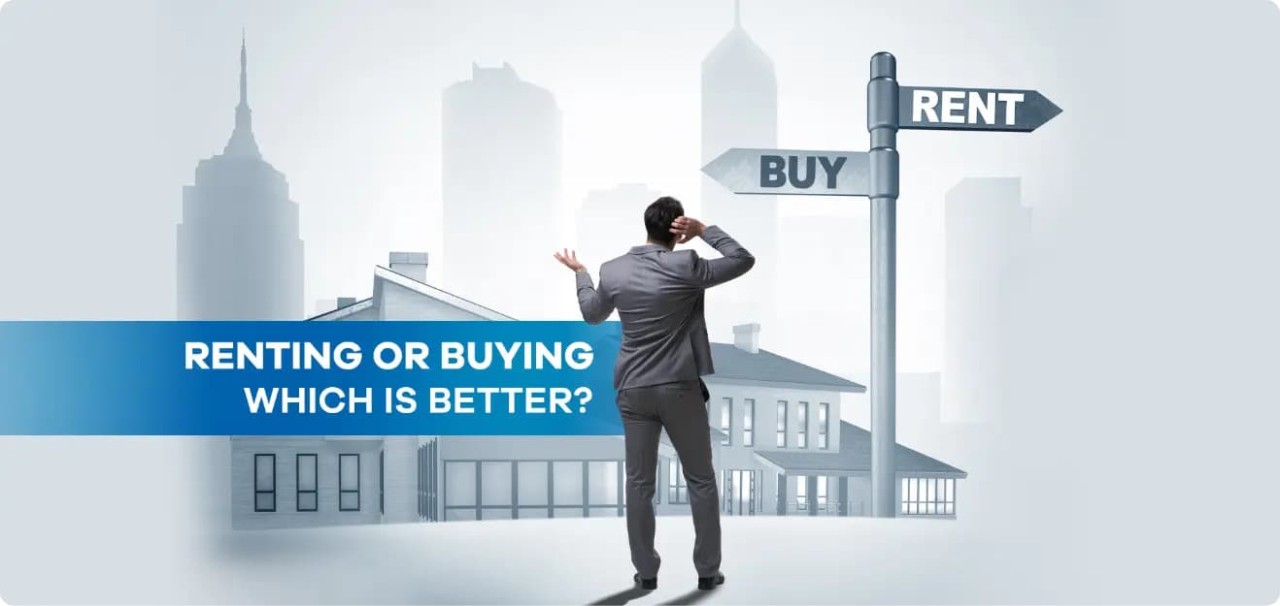
Rent vs Buy Containers in Canada: What Actually Makes Sense for Your Situation
If you've been going back and forth on whether to rent vs buy containers in Canada, you're not alone. It's one of the most common questions we hear from contractors, farmers, retailers, and homeowners across the country — and honestly, there's no single right answer. The decision depends on how long you need the container, what you're using it for, and what your budget looks like. Canada's climate, geography, and varied industries mean people use shipping containers for everything from temporary job-site storage to permanent off-grid structures. This guide breaks it all down clearly so you can make the call that actually fits your situation.
How Much Does It Cost to Rent a Container in Canada?
Before diving into the comparison, it helps to know the actual numbers. How much to rent a container in Canada varies by region, container size, and rental duration, but here's a general snapshot:
- 10 ft container: $80–$120/month
- 20 ft container: $100–$175/month
- 40 ft container: $150–$250/month
Prices shift depending on your location within Canada. Remote areas or regions with fewer suppliers tend to run higher. Delivery fees are typically separate and can range from $150 to $500+ depending on distance and access to your site.
Short-term rentals — anything under three months — are often priced at a premium per month. The longer your rental term, the lower your monthly rate tends to be. Many suppliers offer discounted rates for six-month or annual rentals.
For context: how much can you rent a house in Canada? The average rent for a one-bedroom in Canada sits well above $1,800/month in most urban centres. A shipping container rental is a fraction of that — which is part of why businesses, farmers, and even homeowners are looking at containers as flexible, lower-cost alternatives for storage or auxiliary space.
Renting a Shipping Container: Key Features to Highlight
Mobility and Portability
One of the clearest advantages of renting is that you're not tied down. If your project wraps up, your business moves, or your storage needs change, you return the container and you're done. For construction companies and contractors working across multiple sites in Canada, this flexibility is genuinely valuable. You don't have to worry about what to do with a large steel box once the job's done.
Rental containers are delivered to your site and picked up when you're finished. The logistics are handled for you — no need to arrange resale, transport, or storage for the unit itself.
Customisation Options on Rental Units
Not all rental containers are bare-bones. Many suppliers, including Maple Containers, offer units with shelving, ventilation, locking systems, and climate control add-ons. If you need a container set up a specific way for short-term use say, a secure on-site tool storage unit or a temporary retail pop-up rental with customisation options can work surprisingly well.
That said, if you're looking for significant modifications like windows, partitions, electrical wiring, or custom paint, buying is typically the better route since you're investing in something you'll keep.
Durability and Security
Rental containers are built from the same corten steel as purchased units. They're weather-resistant, designed to handle Canada's harsh winters, and equipped with heavy-duty locking mechanisms as standard. Reputable suppliers maintain their fleet well, so you're getting a structurally sound unit — not a beat-up box that's been through ten international voyages without maintenance.
If security is a concern, look for units with lockboxes over the hasp (which prevent bolt cutters from reaching the padlock), and ask whether the supplier offers GPS tracking on rentals.
Buying a Shipping Container: When It Makes More Sense
Buy Shipping Containers Online — What to Know
You can absolutely buy shipping containers online in Canada today. Several suppliers, including Maple Containers, allow you to browse inventory, select your grade (new/one-trip vs used), choose your size, and arrange delivery — all without stepping into a yard. Product listings typically include container condition, dimensions, door type, and availability by province.
When you buy outright, you own the asset. That matters for:
- Long-term cost savings — After 18–24 months, ownership almost always beats renting on a cost-per-month basis
- Permanent structures — Converted containers for offices, workshops, homes, or farm storage
- Customisation — You can cut walls, add windows, insulate, paint, and modify however you need
- Resale value — Steel holds its value reasonably well; a well-maintained container can be resold when you're done
For agricultural operations, permanent on-farm storage makes ownership the obvious call. Same goes for industrial and logistics companies that need containers as permanent fixtures in their supply chain.
Sustainability Angle: Buying Over the Long Term
Purchasing a used shipping container gives a second life to a unit that might otherwise sit in a port or be scrapped. That's a genuine sustainability win. If you're retrofitting one into a workshop or auxiliary structure, you're also avoiding the material cost of new construction. For businesses and individuals in Canada prioritising environmental responsibility, buying a repurposed container aligns well with those values.
Rent vs Buy Containers in Canada: Side-by-Side Comparison
| Factor | Renting | Buying |
|---|---|---|
| Upfront cost | Low | Higher |
| Long-term cost | Higher over time | Lower after ~2 years |
| Flexibility | High | Low (you own it) |
| Customisation | Limited | Full control |
| Maintenance | Supplier's responsibility | Yours |
| Ideal use | Short-term, mobile needs | Permanent or long-term |
| Ownership | None | Full asset |
This table is a starting point, not a verdict. Your specific use case, project timeline, and cash flow will shape which column wins for you.
Who Should Rent? Real Use Cases in Canada
Construction Companies and Contractors
Job sites across Canada have rotating equipment, tools, and materials that need secure on-site storage. Renting containers for the duration of a build — then returning them — keeps overhead low and logistics simple. When the next project starts in a different city or province, you rent again. No asset management headaches.
Event Organisers and Marketing Agencies
Pop-up retail, festival storage, brand activation spaces — containers have become legitimate tools in the event and experiential marketing world. Renting makes sense here because the need is genuinely short-term. A well-placed 20 ft container, wrapped in branded graphics, does double duty as storage and Visual Storytelling for your brand.
Residential and Short-Term Renters
Home renovations, moves, or temporary overflow storage are classic short-term needs. Renting a container for two to four months during a kitchen reno or between addresses in Canada is far more cost-effective than buying. The container sits in your driveway or yard, does its job, and gets picked up.
Education and Healthcare Sectors
Temporary classrooms during construction, mobile clinics in remote areas of Canada, or extra storage during facility upgrades — renting gives institutions in these sectors the flexibility they need without capital expenditure approval headaches.
Who Should Buy? Real Use Cases in Canada
Agricultural Sector and Farmers
Grain, equipment, feed, and seasonal supplies all need protection from Canada's weather. A purchased container placed on the farm becomes a permanent, durable fixture. One purchase pays for itself within two years compared to rental costs, and you retain the asset indefinitely. Many farmers in Canada buy multiple units and arrange them for a practical, modular storage system.
Retailers and Small Business Owners
Overflow stock, seasonal inventory, or on-site storage at a retail location — if this is a recurring or permanent need, buying beats renting on cost. Some small businesses in Canada use containers as low-cost warehouse space adjacent to their main premises.
Industrial and Logistics Companies
Supply chain operations in Canada often require containers as fixed assets — staging areas, parts storage, cross-dock points. Purchasing builds those into your infrastructure. You can also standardise and customise purchased units to fit your exact workflow with Actionable Specifications that match your operational requirements.
Residential Homeowners and Developers
Container homes, garden studios, and auxiliary dwellings are increasingly popular in Canada. These are permanent builds — buying is the only option that makes structural and financial sense for this application. Developers in Canada are also using containers to create modular housing units with lower build costs than traditional construction.
Actionable Specifications: What to Check Before You Decide
Whether you're renting or buying, ask suppliers for these details before committing:
Condition grading:
- New / One-Trip: Used once to ship cargo; near-perfect condition
- Grade A Used: Structurally sound, minimal cosmetic wear
- Grade B/C Used: More wear, suitable for storage but not aesthetics
Dimensions to confirm:
- External vs internal dimensions (a 20 ft container has roughly 19'4" of usable internal length)
- Standard vs High Cube (extra foot of height — useful for workshops and conversions)
Delivery access:
- Tilt-bed truck or crane delivery? Know what your site can accommodate
- Road width, overhead clearance, and ground surface all matter
Documentation:
- CSC plate (required if the container will be used for cargo transport)
- Proof of condition inspection
See full container specs and product listings at Maple Containers →
FAQs: Rent vs Buy Containers in Canada
Q: Is it cheaper to rent or buy a shipping container in Canada? Buying is cheaper long-term (typically past 18–24 months). Renting is cheaper short-term and keeps your capital free.
Q: How much does it cost to buy a shipping container in Canada? A used 20 ft container typically runs $2,500–$5,000 depending on condition and location. New/one-trip units start closer to $5,000–$7,500. Delivery is extra.
Q: Can I buy shipping containers online in Canada? Yes — suppliers like Maple Containers offer online product listings with inventory by size, condition, and region. You can confirm availability, get a quote, and arrange delivery without visiting a yard.
Q: Do I need a permit to place a container on my property in Canada? This varies by municipality. Some areas require a permit for permanent placement; others don't for temporary use. Always check with your local planning office before delivery.
Q: What container size should I choose? 20 ft is the most versatile and most commonly rented or bought in Canada. 40 ft units offer more space but require more room for delivery and placement. 10 ft units work well for small yards or tight job sites.
Q: How does the rent vs buy containers in Canada decision change for remote locations? In remote parts of Canada, delivery costs are higher for both options. Buying may make more sense if you're in a remote area with ongoing storage needs, since repeated rental deliveries and pickups add up quickly.
Q: Is renting a container tax-deductible for businesses in Canada? Rental costs are generally deductible as operating expenses. Purchased containers may be treated as capital assets and depreciated. Consult your accountant for specifics.
Making the Call
The rent vs buy containers in Canada decision ultimately comes down to time and intent. If you need a container for under a year or your needs are project-based and mobile, renting is the smart, low-commitment option. If you're in Canada with ongoing, permanent, or high-customisation needs — buy. You'll save money within two years and have an asset that keeps working for you.
Maple Containers serves clients across Canada with both rental and purchase options. Whether you're a contractor in Alberta, a farmer in Saskatchewan, a retailer in Ontario, or a homeowner in British Columbia, the right container solution is available — and the team can help you figure out which direction fits.
Ready to get started? Browse containers, request a quote, or talk to the Maple Containers team today →
Related reads on the Maple Containers blog: container modifications, delivery FAQs, how to prepare your site for container placement, and more.