

Blog
Why Containers Are Canada’s Smart Storage Solution

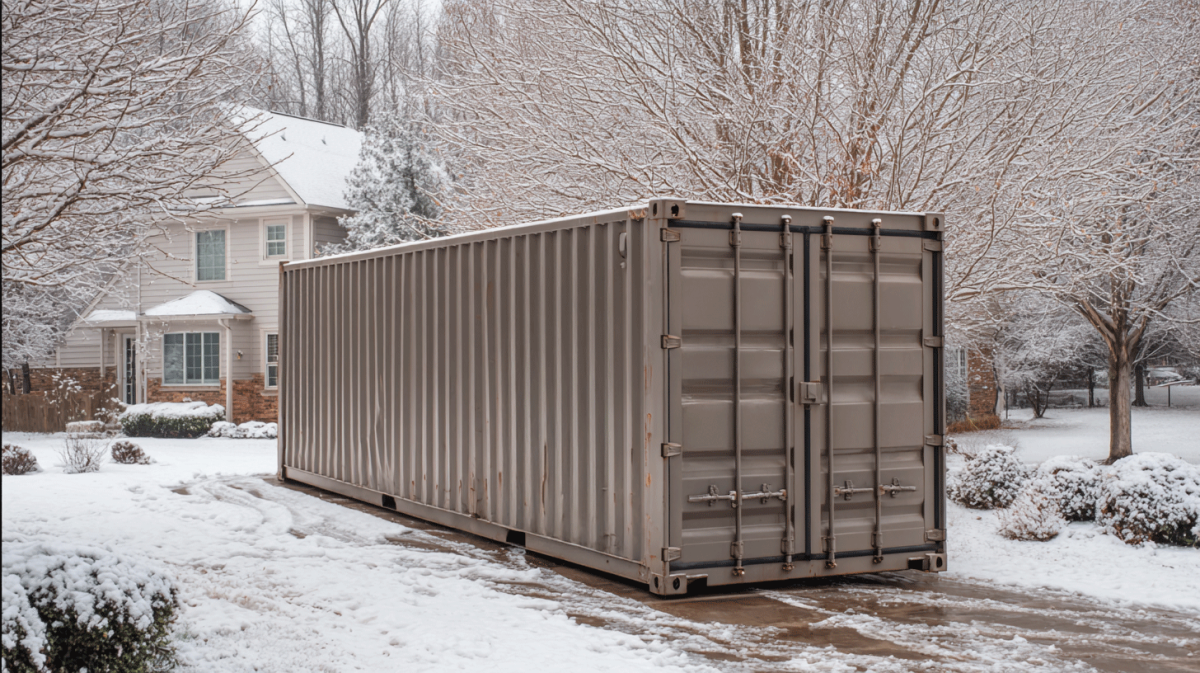
If you've ever tried to find reliable, weather-resistant, and cost-effective storage across Canada's varied climates from the wet coast of British Columbia to the frozen prairies of Saskatchewan you already know how hard that can be. That's exactly why containers are Canada's smart storage solution, and why more businesses, farmers, homeowners, and contractors are choosing shipping containers over traditional storage every year. Whether you need short-term overflow space or a permanent on-site structure, Maple Containers has options built for Canada's real conditions — not an idealized version of them.
This isn't about chasing a trend. It's about choosing something that actually works.
What Makes a Shipping Container the Right Fit for Canadian Conditions?
Canada is not a gentle climate. We deal with freeze-thaw cycles, heavy snowfall, prolonged rain, UV exposure, and everything in between. Most storage solutions aren't built for that reality.
Steel shipping containers are. They were originally designed to survive ocean crossings months of saltwater, humidity, and temperature swings. That same durability makes them exceptional for Canadian winters. The corten steel construction resists corrosion, the lockboxes are tamper-resistant, and the sealed floor systems keep moisture and pests out.
When you stack that against a wood-frame shed or a fabric-covered storage tent, the comparison isn't close. Containers win on durability and security two things that matter deeply when you're storing valuable equipment, inventory, or materials in Canada's unpredictable weather.
Customisation Options That Actually Match What You Need
One reason why containers are Canada's smart storage solution is that they're not one-size-fits-all. Modern container suppliers like Maple Containers offer a wide range of modifications to make the unit work for your specific situation.
Common customisation options include:
- Roll-up doors or personnel doors for easier access
- Shelving and interior lighting
- Electrical and HVAC hookups for climate-sensitive storage
- Vents, windows, and insulation packages
- Custom paint colours and branding
- Partition walls for multi-use configurations
- Ramps and forklift pockets for loading heavy equipment
Whether you're a retailer fitting out a seasonal overflow unit, a contractor setting up a secure on-site tool room, or a healthcare facility needing temperature-controlled document storage, there's a configuration for you. That kind of customisation flexibility is something generic storage just can't match.
Mobility and Portability: Storage That Moves With You
Across Canada, project timelines shift, seasonal demands change, and businesses relocate. Fixed storage infrastructure doesn't account for any of that.
Shipping containers are designed to move. They can be lifted by crane, loaded onto flatbeds, or transferred by rail which means your storage solution can follow your operation wherever it goes in Canada. For construction companies managing multiple job sites, this is a practical advantage that compounds over time. You're not leaving behind a permanent structure; you're moving a functional asset.
For event organisers and marketing agencies running activations in different cities, container mobility is equally useful. A branded pop-up built from a modified container can travel from Toronto to Calgary to Vancouver without losing any of its functionality or visual impact.
That's mobility and portability working for you not against your budget.
Who Is Actually Using Containers in Canada?
The short answer: almost everyone.
Construction Companies & Contractors
Job sites in Canada are busy, often remote, and always at risk of theft. A steel container keeps tools, materials, and equipment locked down and protected. Many contractors keep one container per active site and rotate them as projects wrap up.
Retailers & Small Business Owners
Seasonal inventory spikes holiday stock, summer furniture, outerwear create a real space crunch for retailers. A container in the parking lot or on a nearby property can absorb that overflow without expensive long-term lease commitments.
Agricultural Sector & Farmers
Grain Canada-wide sees temperature and moisture as constant enemies of storage quality. Containers, properly modified, work well for feed storage, equipment shelter, and even produce handling. Farmers across Canada have been converting containers into cold-prep rooms and dry storage facilities that outperform traditional barns for specific applications.
Residential Homeowners & Developers
Renovations, new builds, and estate transitions all generate temporary storage needs. Containers keep furniture and belongings secure while the work gets done. Some Canadian developers also use containers as permanent garden studios or guest quarters — a growing trend in urban areas.
Industrial & Logistics Companies
Warehousing costs in Canada have climbed significantly. Containers offer a scalable way to expand storage capacity without breaking ground on a new facility. Stack them, line them up, or link them together — the configuration options are wide open.
Education & Healthcare Sectors
From schools storing gym equipment during construction to clinics needing off-site records management, Canada's public sector has discovered containers as a cost-effective and compliant solution. Their secure, dry interiors protect sensitive materials that can't be exposed to the elements.
Sustainability: A Real Consideration, Not a Marketing Line
Repurposing a shipping container that's already been manufactured is genuinely more sustainable than constructing a new storage building from raw materials. The steel is already processed. The environmental cost of production is already spent. Giving a container a second life as on-site storage or a modified structure keeps it out of a scrap yard and extends its usefulness by decades.
For businesses in Canada working toward green procurement or ESG goals, this matters. A used container that's been inspected, cleaned, and modified has a dramatically lower carbon footprint than a new prefab structure of comparable strength.
At Maple Containers, you'll find both new and used units — and the used options aren't compromises. They're vetted, structurally sound, and ready to work.
Sustainability isn't just about the environment. It's also about making a financially sustainable decision. Buying a container is often more economical over a three-to-five year period than renting traditional storage, especially when you factor in accessibility, security, and the ability to customise the space.
Visual Storytelling: Containers That Work as Brand Statements
This is something competitors don't talk about enough: a well-modified container is also a visual asset. Painted in your brand colours, wrapped with your logo, and lit from the outside, a container can function as a flagship retail pop-up, a food and beverage kiosk, or an event anchor point.
Across Canada, container-based retail and hospitality concepts have taken off precisely because they combine visual storytelling with functional durability. The industrial aesthetic is immediately recognisable and genuinely interesting — people stop, look, and engage.
For marketing agencies and event organisers in Canada, this makes containers a strategic investment rather than just a storage spend. Explore Maple Containers' modified container options to see what's possible beyond the standard unit.
Actionable Specifications: What to Look For When Buying or Renting
Before committing to a container, here are the specs worth knowing:
Standard Container Sizes Available in Canada:
| Size | Interior Length | Interior Width | Interior Height | Common Use |
|---|---|---|---|---|
| 10 ft | 2.84 m | 2.35 m | 2.39 m | Residential, small retail |
| 20 ft | 5.90 m | 2.35 m | 2.39 m | Most common all-purpose |
| 40 ft | 12.03 m | 2.35 m | 2.39 m | High-volume storage, logistics |
| 40 ft HC | 12.03 m | 2.35 m | 2.69 m | Tall items, walkin clearance |
Condition Grades:
- New / One-Trip: Manufactured and used once for shipping. Best cosmetic condition.
- Grade A (IICL): Minimal wear, fully watertight, structurally excellent.
- Grade B (CW – Cargo Worthy): Some cosmetic wear, structurally sound.
- As-Is: Priced for value buyers. Inspect carefully.
What to confirm before delivery:
- Site access for flatbed delivery (overhead clearance, surface stability)
- Local zoning or permit requirements in your Canadian municipality
- Power requirements if you plan to electrify the unit
- Insurance for the container on your property
Browse the full product listings on Maple Containers to find the right unit for your specifications.
Renting vs. Buying: Which Makes Sense for You?
Both are valid. The decision comes down to duration and flexibility.
Renting makes sense for short-term projects, seasonal spikes, or one-off events. You get the container when you need it, and it's picked up when you don't. For residential short-term renters or event organisers working on a per-project basis across Canada, renting is clean and efficient.
Buying makes sense when you need the container consistently, want to modify it heavily, or plan to use it for years. Over time, ownership typically costs less per month than renting. For construction companies, farmers, and industrial operators who rely on containers year-round, purchasing is the smarter long-term play.
See Maple Containers' rental and purchase options for current availability and pricing across Canada.
Frequently Asked Questions About Containers in Canada
Do I need a permit to place a shipping container on my property in Canada? It depends on your municipality and how long you plan to keep the container. Temporary placements often fall under different rules than permanent installations. Always check with your local city or county office before delivery.
Are containers weatherproof in Canadian winters? Yes. Properly maintained steel containers handle Canadian winters well. For added protection in extreme cold, insulation kits are available and can also help with condensation management inside the unit.
How long does delivery take across Canada? Delivery timelines vary by location and inventory availability. Urban centres typically see faster turnaround. Contact Maple Containers directly for an accurate lead time for your area.
Can I stack containers on my property? Structurally, containers are designed to stack — they do so on cargo ships. On your property, the key considerations are ground stability, crane access, and local building code compliance.
What's the difference between a standard and a high-cube container? A high-cube container is one foot taller than a standard unit (approximately 2.9 m vs 2.6 m exterior). That extra height matters for certain applications — walkin clearance, stacked shelving, or tall equipment.
Are used containers still safe and watertight? Grade A and IICL-certified used containers are inspected for structural integrity and watertightness. They're a solid choice for most applications in Canada and significantly more affordable than new units.
The Bigger Picture: Why This Choice Keeps Making Sense
When you look at the full picture — durability, customisation options, mobility and portability, sustainability, and value — why containers are Canada's smart storage solution becomes straightforward. They're not perfect for every single use case, but for the wide range of industries and needs across Canada, they check more boxes than any comparable option at the price point.
Canada's geography and climate demand practical, resilient infrastructure. Containers fit that demand well. They've been proven across decades of use in some of the harshest environments on Earth, and they continue to prove themselves daily in construction yards, on farms, in retail lots, and at events from coast to coast in Canada.
If you're weighing your options, the honest answer is that a container from a reputable Canadian supplier like Maple Containers is likely going to outlast, outperform, and out-value most alternatives you're comparing it against.
Explore the full range of container solutions at Maple Containers — and see why Canadians from every sector keep coming back.
Looking for more guidance? Visit the Maple Containers blog for in-depth articles on container selection, modification ideas, and storage tips tailored to Canadian conditions.