Preparing Your Site for Container Delivery in Canada: What to Know Before the Truck Arrives
Preparing Your Site for Container Delivery is one of those steps people often underestimate until delivery day gets close. On paper, it sounds simple clear a space, wait for the truck, and place the container. In reality, a little preparation beforehand can save you time, stress, and unexpected costs.
Across Canada, shipping containers are being used in more ways than ever. Construction companies use them for secure equipment storage. Farmers turn them into reliable seasonal storage spaces. Retailers use them for inventory overflow, while homeowners create workshops, garages, backyard offices, and even rental units. Their flexibility is a big reason why containers continue to grow in popularity throughout Canada.
But no matter how you plan to use your container, the delivery process matters. A truck carrying a 20ft or 40ft container needs proper access, stable ground, and enough room to unload safely. If the site is uneven, muddy, blocked by low branches, or too tight for the delivery truck to manoeuvre, the process quickly becomes complicated.
At Maple Containers, one of the most common questions customers ask is how to properly prepare their property before delivery day. The good news is that you do not need a complicated setup. Most of the time, good planning and a few practical adjustments are enough to make delivery smooth and straightforward.
This guide breaks down everything you need to know about Preparing Your Site for Container Delivery in Canada, including access requirements, foundation options, drainage, customization planning, delivery methods, and practical tips that make the entire process easier.
Why Site Preparation Matters More Than Most People Think
A shipping container is built to handle rough ocean travel, harsh weather, and heavy cargo. That part is not usually the concern. The bigger issue is what happens after it reaches your property.
If the ground is soft or uneven, the container may not sit properly. Doors can become difficult to open, water can collect underneath, and the container may slowly shift over time. In Canada, freeze-thaw cycles can also affect ground stability if the site was not prepared correctly from the start.
For many businesses working with a delivery agency in Canada, poor site preparation is one of the main reasons deliveries get delayed or rescheduled. Drivers need enough space to safely unload the container, especially when using tilt-bed trucks or cranes.
A properly prepared site helps:
- Prevent delivery delays
- Protect the container structure
- Improve drainage
- Make future relocation easier
- Reduce long-term maintenance
- Keep the installation looking clean and professional
Whether your parcel ready for shipping is headed to a rural farm, urban construction site, or residential property, preparation makes a noticeable difference.
Choosing the Best Spot for Your Container
One of the first things to think about when Preparing Your Site for Container Delivery is location. Not just where the container fits today, but where it will continue working well months or years from now.
A good container location should feel practical year-round. That matters in Canada, where weather conditions can change quickly between seasons.
Look Beyond Empty Space
An open area alone is not enough. You also want to think about:
- Ground stability
- Drainage
- Snow removal access
- Truck accessibility
- Future maintenance
- Nearby structures or trees
For example, placing a container in a low area might seem fine during summer, but after heavy rain or spring thaw, water may collect around it.
Access for Delivery Trucks
This is where many people run into problems.
Container delivery trucks need more room than expected. Tight corners, narrow driveways, overhead wires, or low branches can all become obstacles.
Most delivery drivers in Canada typically need:
- Roughly 14 feet of vertical clearance
- Wide turning space
- Stable ground for unloading
- Straight access for tilt-bed delivery
If you are unsure whether your site can accommodate the truck, taking photos beforehand often helps companies assess the situation.
Ground Preparation and Foundation Options
Preparing Your Site for Container Delivery starts from the ground up. Literally.
Containers are strongest at their corners, so the foundation needs to support the weight evenly. The goal is not always perfection — it is stability.
Gravel Pads
Gravel is one of the most common choices across Canada because it balances affordability, drainage, and durability.
A compacted gravel base works especially well for:
- Farms
- Construction sites
- Commercial yards
- Residential storage
It also helps prevent water buildup during rainy seasons and spring thaw.
Concrete Foundations
Concrete is usually the better option for long-term or customized container projects.
If you plan to add:
- Electrical systems
- Insulation
- Office interiors
- Plumbing
- HVAC systems
then a concrete pad often makes more sense.
Concrete also performs well during harsh Canadian winters because it provides stable support over time.
Temporary Support Options
Some customers use concrete blocks or railroad ties for shorter-term placements. These options can work, but the container still needs level corner support to avoid twisting the frame.
You can explore more container setup ideas on the Maple Containers Blog.
Understanding Different Delivery Methods
Not every container arrives the same way. The delivery method affects how much space you need and how the site should be prepared.
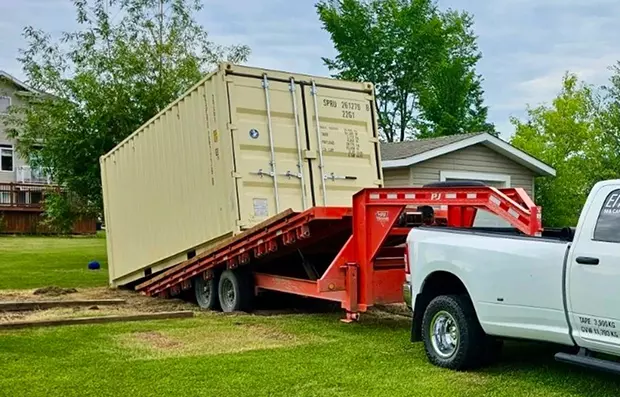
Tilt-Bed Delivery
This is one of the most common shipping methods in Canada.
The truck tilts backward and slides the container onto the ground. It is efficient, but it requires enough straight clearance behind the truck.
Tilt-bed deliveries usually work best when:
- The property is open
- Ground conditions are stable
- There is enough unloading space
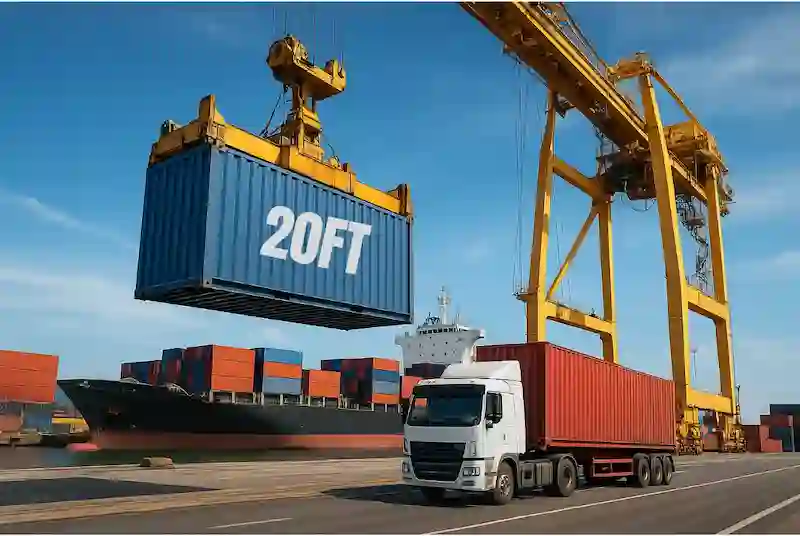
Crane Delivery
Sometimes a container needs to go somewhere a truck cannot easily reach.
That is where crane delivery becomes useful.
Crane placement is often used for:
- Tight urban properties
- Containers behind buildings
- Elevated placements
- Difficult terrain
While crane delivery costs more, it allows for much more precise placement.
Side Loader Delivery
Side loaders lift the container beside the truck instead of unloading from the rear. This method works well in spaces where rear access is limited.
If your shipping method in Canada involves specialized placement, discussing details beforehand helps avoid surprises on delivery day.
Weather Conditions in Canada Matter More Than You Think
Weather changes how a site behaves. A surface that feels solid in summer may become muddy during spring thaw or slippery during winter.
That is why Preparing Your Site for Container Delivery should always include seasonal planning.
Winter Deliveries
Snow and ice create challenges for both access and unloading.
Before delivery day:
- Clear snow from the access path
- Remove ice buildup
- Make sure trucks can maintain traction
- Mark hidden obstacles if snow coverage is heavy
Spring and Rainy Seasons
Soft ground becomes a bigger issue during spring in Canada. Heavy containers can sink into wet soil if the area is not reinforced properly.
Good drainage matters more than many people realize. Water pooling around the container can eventually affect the surrounding ground conditions.
Keeping containers slightly elevated helps improve airflow underneath and reduces moisture problems over time.
Durability and Security Still Matter After Delivery
One reason shipping containers continue to grow in popularity across Canada is because they are incredibly durable.
They are designed to survive harsh marine environments, so Canadian weather conditions are well within their capabilities when properly maintained.
Built for Tough Conditions
Containers hold up well against:
- Wind
- Rain
- Snow
- Temperature changes
That reliability makes them useful across industries, from agriculture and construction to retail and logistics.
Security Features
Many businesses choose containers because they offer dependable security for:
- Tools
- Equipment
- Inventory
- Seasonal products
- Event supplies
Additional upgrades can include:
- Lock boxes
- Reinforced locking systems
- Lighting
- Shelving
- Alarm systems
Browse available options on the Maple Containers Products Page.
Customization Is Changing How Canadians Use Containers
Containers are no longer limited to basic storage. Across Canada, businesses and homeowners are transforming them into highly functional spaces.
Popular Container Modifications
Some of the most requested customization options include:
- Roll-up doors
- Windows
- Insulation
- Electrical wiring
- Office layouts
- Workshops
- Retail kiosks
- Portable classrooms
For many people, customization is what makes containers so practical. A single unit can adapt to changing business needs without requiring traditional construction.
That flexibility is especially valuable for industries that move between projects or seasonal locations.
Sustainability and Long-Term Value
Sustainability continues to shape building and storage decisions throughout Canada.
Repurposing shipping containers reduces waste and gives existing materials a second life instead of manufacturing entirely new structures from scratch.
Why Containers Appeal to Sustainable Projects
Containers help reduce:
- Construction waste
- Material consumption
- Long-term site disruption
Their mobility and portability also make them useful for temporary operations that may relocate later.
This is why containers are increasingly used for:
- Remote offices
- Mobile clinics
- Temporary classrooms
- Pop-up retail
- Event infrastructure
The ability to move a structure instead of rebuilding it adds long-term value for many Canadian businesses.
Small Details That Improve the Overall Look
A container does not have to feel industrial or unfinished.
Simple improvements around the installation area can completely change how the space looks and feels.
Easy Ways to Improve Appearance
- Add gravel around the perimeter
- Install outdoor lighting
- Keep the site level and clean
- Paint or brand the exterior
- Add landscaping nearby
For customer-facing businesses, visual storytelling matters. A clean, professionally placed container creates a much stronger impression than one sitting unevenly in a muddy lot.
Practical Checklist Before Delivery Day
Preparing Your Site for Container Delivery becomes much easier when you work through a checklist ahead of time.
Before the Truck Arrives
Confirm Access
- Clear the driveway
- Remove obstacles
- Check turning space
Prepare the Ground
- Level the area
- Compact gravel if needed
- Improve drainage
Check Clearance
- Remove low branches
- Watch for overhead wires
- Allow vertical clearance for the truck
Plan Utilities
- Mark underground lines
- Prepare electrical access if required
Coordinate the Delivery
- Confirm timing with your canada shipping agency
- Make sure someone is present during delivery
If your package ready for shipping includes multiple containers, decide placement order before the truck arrives.
Helpful Resources from Maple Containers
If you are still comparing options or planning a project in Canada, these resources may help:
Frequently Asked Questions
How level should the site be?
As level as possible. Even small uneven areas can affect door alignment over time.
Is gravel enough for a container foundation?
In many cases, yes. A properly compacted gravel pad works well for many container projects across Canada.
Can containers be delivered during winter?
Yes, but snow and ice should be cleared beforehand to improve access and safety.
Do I need permits in Canada?
Permit requirements vary depending on your municipality and how the container will be used.
Can I move my container later?
Absolutely. One of the biggest advantages of containers is mobility and portability.
What happens if my site is not ready?
The delivery may need to be postponed, which can create extra transport or scheduling costs.
Final Thoughts
Preparing Your Site for Container Delivery is not complicated, but it does require planning. A stable foundation, proper access, and a clear delivery path go a long way toward making the entire process easier.
Across Canada, more businesses and homeowners are using shipping containers because they are durable, flexible, secure, and adaptable to changing needs. Whether you need storage for a construction project, extra space for inventory, agricultural equipment protection, or a customized workspace, proper preparation helps the container perform better from day one.
At Maple Containers, customers across Canada continue to choose practical container solutions backed by straightforward advice and reliable delivery support. When the site is prepared properly, delivery day becomes a lot less stressful — and the container is ready to start working immediately.