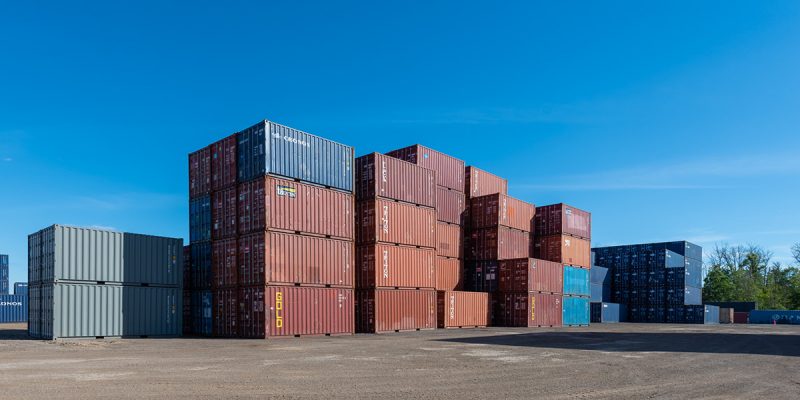
Storage Units vs Shipping Containers in Canada: Which One Actually Makes Sense for You?
If you've been going back and forth on the question of storage units vs shipping containers in Canada, you're not alone. It's one of the most common decisions facing homeowners, contractors, farmers, retailers, and logistics companies from Vancouver to Halifax. Both options solve a storage problem — but they don't solve it the same way, and the difference matters more than most people realise.
At Maple Containers, we work with Canadians every day who started out considering a traditional self-storage unit, then discovered that a shipping container gave them more space, more control, and a better long-term return. That said, there are real situations where a storage unit is the right call. This guide lays out both sides clearly so you can make the decision with confidence — no pressure, no sales pitch.
We'll walk through cost, portability, security, customisation, sustainability, and real use cases for each option. Whether you're a contractor needing on-site storage, a farmer looking for weather-resistant grain storage, a small business managing inventory, or a homeowner in the middle of a renovation, this guide is built for you. By the end, you'll know exactly which direction fits your situation — and if a shipping container turns out to be your answer, you'll know exactly what to look for.
Let's get into it.
Storage Units vs Shipping Containers in Canada: Understanding What You're Actually Comparing
Before we get into pros and cons, it helps to define what we're actually talking about.
A self-storage unit is a fixed, rented space inside a storage facility. You pay monthly, you share a building with other tenants, and you work around the facility's hours. The unit stays where it is — you go to it.
A shipping container (also called a sea container or conex box) is a freestanding steel structure — typically 20 or 40 feet long — that can be purchased or rented and placed wherever you need it. In Canada, these containers are widely used for on-site construction storage, agricultural use, retail inventory, event staging, and even converted into offices, workshops, and retail spaces.
This distinction — fixed vs. flexible — is at the core of the storage units vs shipping containers debate across Canada. One option serves you. The other one you own and deploy.
Cost Comparison: What You Pay Over Time
Renting a Storage Unit in Canada
Monthly storage unit rates in Canada vary widely depending on location. Urban centres like Toronto, Vancouver, and Calgary tend to run $150–$400/month for a 10×20 ft unit. Over two years, that's $3,600–$9,600 — and you own nothing at the end of it.
Buying or Renting a Shipping Container in Canada
A used 20-foot shipping container in Canada typically sells for $2,500–$4,500, depending on condition and your region. A new one-trip container runs $5,000–$8,000+. Browse our container inventory at Maple Containers to see current pricing and availability.
If you're not ready to buy, container rental is also an option — often $100–$175/month — with the flexibility to return it when your project wraps up.
The math isn't complicated: if you need storage for more than 12–18 months, buying a container often beats renting a unit, especially since the container holds its resale value.
Mobility and Portability: Containers Win This Round
One of the clearest advantages of a shipping container — when comparing storage units vs shipping containers in Canada — is mobility. Storage units are anchored to a facility. A shipping container can be:
- Delivered to your job site and relocated when the project moves
- Repositioned on your property as your needs change
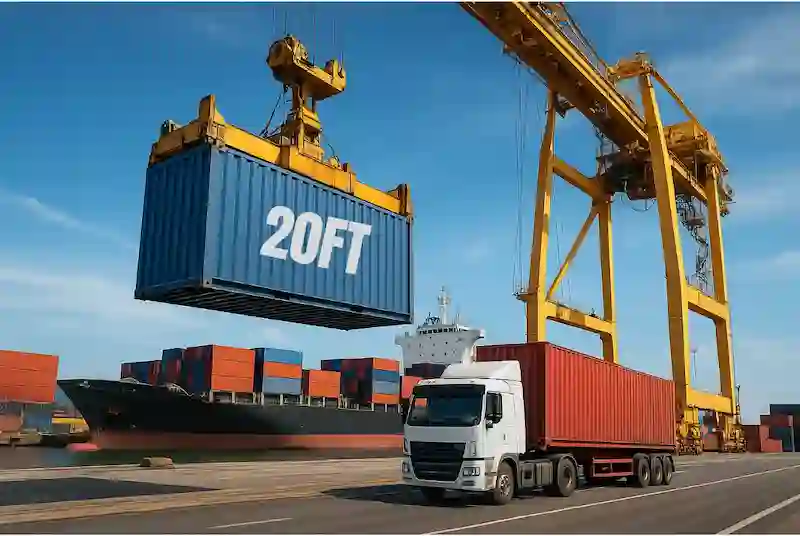
- Loaded and shipped nationally or internationally
This is why construction companies and contractors across Canada gravitate toward containers. You bring the storage to the work, not the other way around. The same logic applies to farmers who need temporary grain or equipment storage at different points on their land through the season.
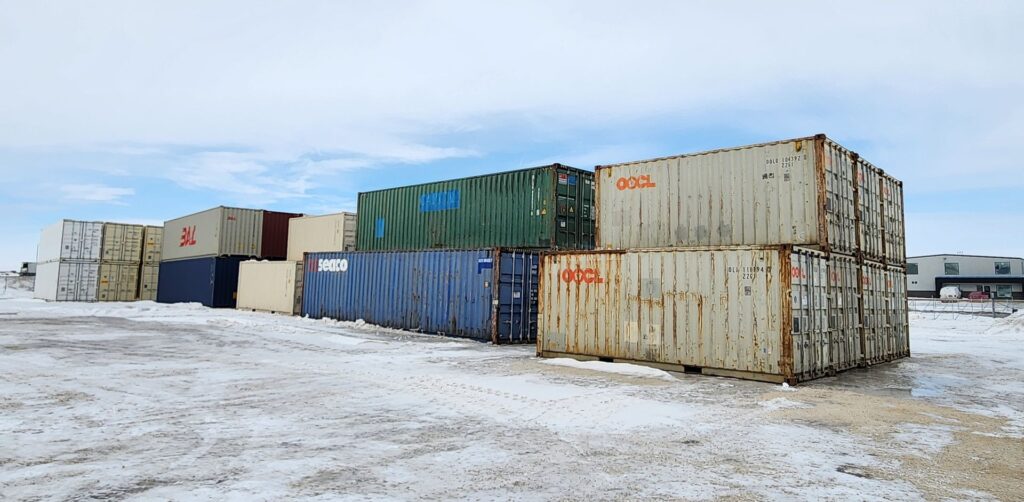
It's also why the global container market is relevant here. When Canadians research shipping containers for sale in the USA, shipping containers for sale in Australia, shipping containers in the UK, or shipping containers for sale in Europe — including markets like shipping containers for sale in Germany — what they're seeing is a global standard. ISO shipping containers are built to the same spec worldwide, which is part of why they're so durable and interchangeable. Canada's geographic position means we receive a steady supply of used containers from international trade routes, keeping prices competitive.
Durability and Security: Steel vs. Drywall
The Reality of Self-Storage Security
Most storage facilities use standard padlocked roll-up doors and shared access. Surveillance cameras help, but break-ins do occur. Climate control isn't guaranteed across all units, and water damage or rodent intrusion can be issues in older facilities.
Shipping Container Security in Canada
Shipping containers are made from Corten (weathering) steel — the same material used to ship goods across oceans. They're built to handle saltwater, high winds, and extreme temperature swings. In Canada, where weather can go from -40°C prairie winters to humid coastal summers, this kind of durability is genuinely important.
From a security standpoint, containers use heavy-duty lockboxes that are recessed into the steel door — meaning a standard bolt cutter doesn't have the clearance to cut the lock. That's a real improvement over most storage unit setups.
For industries like retail, agriculture, and logistics operating across Canada, the structural integrity of a container also means your inventory, equipment, or materials stay protected without ongoing worry.
Customisation Options: Turning a Container Into What You Actually Need
This is where shipping containers pull ahead for a wide range of buyers. Storage units are static — you can't modify them. With a shipping container, Maple Containers can help you add:
- Roll-up doors for easier forklift or vehicle access
- Personnel doors with custom placement
- Electrical wiring and lighting for working inside
- Insulation for climate-sensitive inventory
- Shelving and racking systems built to your load requirements
- Windows and ventilation for converted workspaces
- Custom paint and branding for retail or event use
- Container stacking and joining for larger modular structures
Across Canada, we're seeing growing interest in converted containers from education institutions needing portable classrooms, healthcare providers needing temporary clinic space, and event organisers using branded containers as pop-up retail or bar setups.
The customisation angle also speaks to the sustainability conversation. Rather than constructing a new structure, modifying an existing container reuses a steel unit that would otherwise sit idle — a smarter use of resources, especially for eco-conscious businesses and developers.
Visual Storytelling: What a Container Looks Like on Your Property
There's a perception that shipping containers look industrial or out of place — especially for residential or retail applications. The reality in Canada's market has shifted considerably.
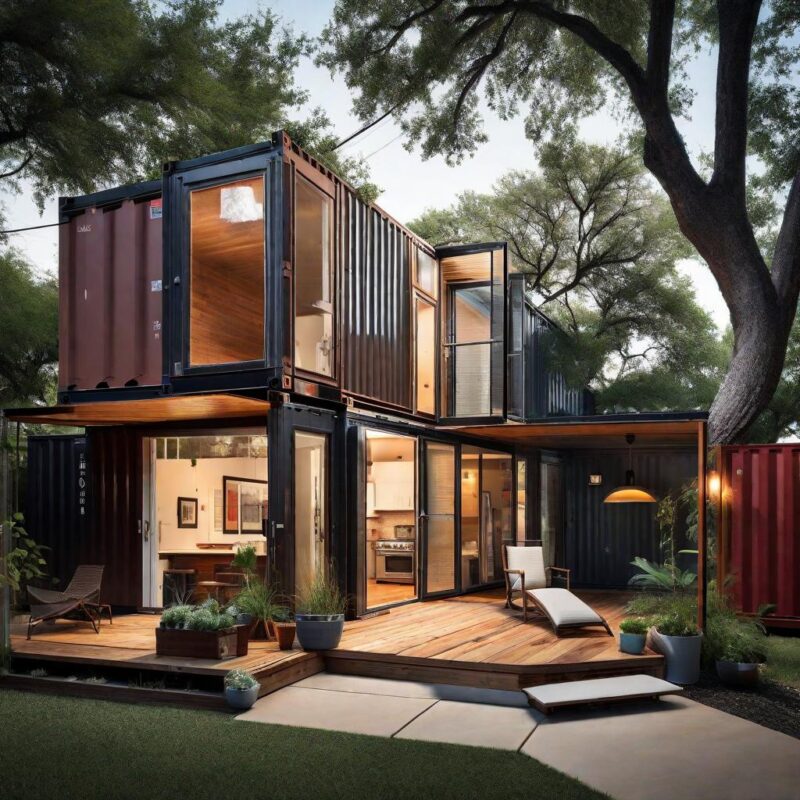
Properly placed and finished containers can be sleek, modern, and visually striking. Landscaping, cladding, and custom paint transform a steel box into something that complements the surrounding space. Many retail businesses and event agencies across Canada now actively use containers as part of their visual identity.
For residential homeowners and developers, a well-positioned container in the backyard or on a development site doesn't have to be an eyesore. It can be a practical, even attractive, solution that adds to the property rather than detracting from it.
Shipping Method in Canada: Getting Your Container Where It Needs to Go
One of the questions we hear most is about delivery logistics — specifically around the shipping method in Canada for getting a container to your site.
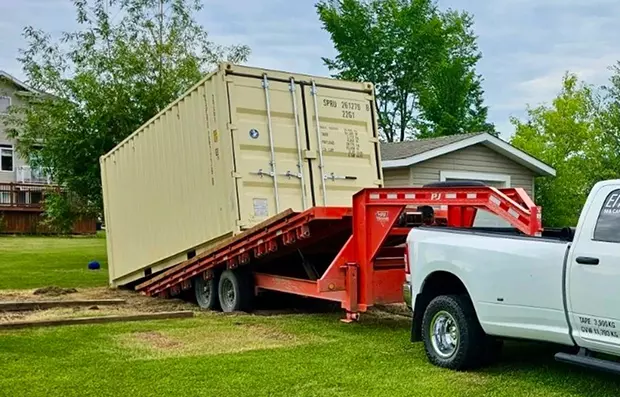
Containers are delivered via tilt-bed or roll-off trucks. For most locations across Canada, standard delivery is straightforward. For rural properties, farms, or sites with restricted access, it's worth a quick conversation with your supplier about clearance and ground conditions before booking delivery.
At Maple Containers, we handle delivery logistics across Canada and can advise on site prep, placement, and access requirements before the truck shows up. The process is simpler than most people expect.
Who Should Choose What: Real Use Cases Across Canada
Construction Companies & Contractors
On-site container storage is standard practice. Equipment, tools, and materials stay locked and dry without the logistics of hauling everything off-site daily. Containers can be moved between sites as the job progresses.
Retailers & Small Business Owners
Overflow inventory, seasonal stock, and display materials are easy to manage with a container on-site or close to your location. Customisation options let you set up exactly the shelving and access you need.
Agricultural Sector & Farmers
Grain, feed, equipment, and chemicals need weather-tight storage. Containers deliver that without the cost of a permanent outbuilding. They're also repositionable across a large property as the season demands.
Residential Homeowners & Developers
Renovations, downsizing, estate clearouts — containers give you a secure, weatherproof place to stage belongings without the inconvenience of an off-site storage facility. Developers use them for site offices and materials storage throughout a project.
Industrial & Logistics Companies
Shipping containers integrate directly into supply chain operations. Whether you need overflow warehousing, staging areas, or mobile distribution points, containers are the obvious fit.
Event Organisers & Marketing Agencies
Branded containers as pop-up retail, ticket booths, bar setups, or product display units are increasingly popular across Canada's event and experiential marketing scene.
Education & Healthcare Sectors
Temporary classrooms, mobile clinics, and equipment storage — containers fill these roles across Canada in situations where permanent construction isn't practical or funded.
Actionable Specifications to Know Before You Buy or Rent
Before you commit to a container, these are the specs that matter:
| Spec | 20-Foot Standard | 40-Foot Standard | 40-Foot High Cube |
|---|
| External Length | 6.06 m | 12.19 m | 12.19 m |
| External Width | 2.44 m | 2.44 m | 2.44 m |
| External Height | 2.59 m | 2.59 m | 2.89 m |
| Internal Volume | ~33 m³ | ~67 m³ | ~76 m³ |
| Max Payload | ~25,000 kg | ~27,600 kg | ~26,500 kg |
| Door Opening Width | 2.34 m | 2.34 m | 2.34 m |
| Door Opening Height | 2.28 m | 2.28 m | 2.58 m |
For most residential and small business applications in Canada, a 20-foot unit is sufficient. Construction, agriculture, and logistics tend to lean toward 40-foot or high-cube options. See our full product listings at Maple Containers for available sizes, grades, and current stock.
Sustainability: The Case for Containers in Canada's Climate Conversation
Canada is having a real conversation about construction waste, material reuse, and carbon-conscious decision making. Repurposing a shipping container aligns with that conversation directly.
Each container that gets modified and used locally is one that doesn't require new raw material production. Steel is fully recyclable, and a well-maintained container can last 25+ years in active use. For businesses and individuals in Canada who care about reducing their environmental footprint, this is a meaningful differentiator compared to building new or using disposable temporary structures.
FAQs: Storage Units vs Shipping Containers in Canada
Q: Is it cheaper to rent a storage unit or buy a shipping container in Canada?
For short-term needs (under 12 months), a storage unit often makes sense. For anything longer, buying a container is typically more economical and you own the asset at the end.
Q: Can I put a shipping container on my residential property in Canada?
Zoning rules vary by municipality across Canada. Most rural and suburban properties have no issue. Urban properties may need a permit or have restrictions. Check with your local planning office before purchasing.
Q: How long does a shipping container last in Canada's climate?
With basic maintenance, a well-built container lasts 20–30 years in Canadian conditions. Corten steel is specifically designed to resist rust and weathering.
Q: Do shipping containers need a foundation?
Not always. Many containers sit on gravel pads, railroad ties, or concrete blocks. For permanent installations or converted spaces, a proper foundation is recommended.
Q: Can I get a container delivered to a remote location in Canada?
Yes, in most cases. Delivery logistics depend on road access and site conditions. Contact Maple Containers to discuss your specific location.
Q: Are shipping containers secure?
Yes. Steel construction with recessed lockbox systems makes them significantly more difficult to break into than most storage unit doors.
Q: How do Canadian container prices compare to shipping containers for sale in the USA or Europe?
Canadian pricing is competitive with the US market and generally lower than shipping containers for sale in Europe or shipping containers for sale in Germany, partly due to Canada's port access and trade volume. Shipping containers in the UK and shipping containers for sale in Australia face higher import logistics costs that don't apply here.
Final Thoughts: Storage Units vs Shipping Containers in Canada
The honest answer is that neither option is universally better. It comes down to how long you need storage, whether you need it on-site, and what you're storing.
But if you're in Canada and you're looking at a need that goes beyond six to twelve months — or you need storage at a specific location rather than at a facility — a shipping container is almost always the smarter investment. You control it, you customise it, and you own it.
Explore our container options at Maple Containers or read more on our blog to learn about container grades, delivery, and modification options across Canada. If you're ready to talk specifics, our team is straightforward to work with and will give you honest advice based on your actual situation — not a one-size-fits-all pitch.
Canada is a big country with diverse storage needs. The right container solution fits your project, your location, and your budget. Let's find it.
Maple Containers — Serving customers across Canada with quality new and used shipping containers, delivery, and custom modifications.
Visit our website | Browse product listings | Read our blog